

We use cookies to deliver the best possible experience on our website. By continuing to use this site, or closing this box, you consent to our use of cookies.

Accessories
Bathroom Accessories
Bathroom accessories are functional fittings that enhance convenience, organization, and overall hygiene in a bathroom. Bathroom accessories items are designed to complement fixtures while improving usability, durability, and the finished look of modern bathroom spaces.
Bathrooms are not just functional spaces but a reflection of personal style. And Jaquar, a leading global brand, understands this sentiment deeply, offering an exquisite range of bathroom accessories to enhance the bathing experience of connoisseur’s.
Show Types of Bathroom Accessories
- Sanitaryware Accessories: Solutions that redefine cleanliness, offering the best in terms of both utility and design.
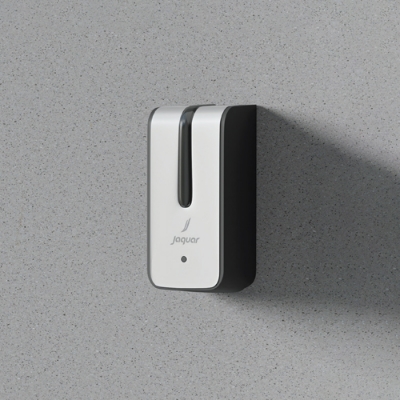
- Washroom Accessories: Thoughtfully designed pieces like hand dryer machines that bring utility and aesthetics to the fore.
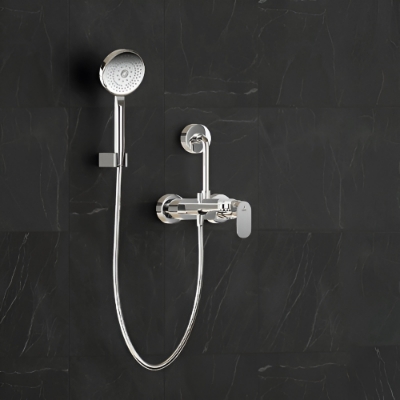
- Shower Accessories: Experience rejuvenation like never before with shower fixtures, from slide rails to shower arms that seamlessly blend form and function.
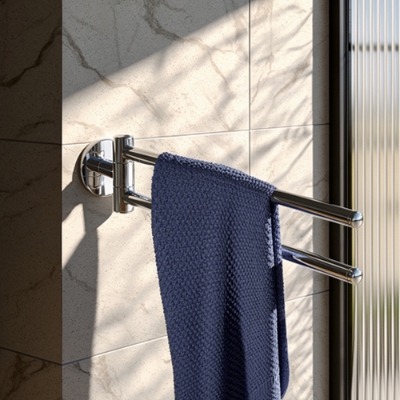
- Bath Accessories: From towel rings to automatic soap dispensers, discover the meticulous craftsmanship of every piece.
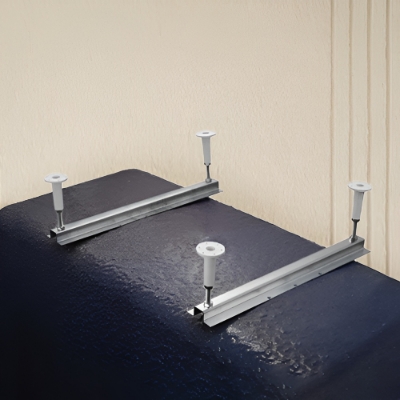
- Bathtub Accessories: Elevate your relaxation with accessories like headrests that make soaking a luxury experience.
Show Why Choose Jaquar for Bathroom Accessories?
- Finishes: Every accessory, be it from the bathroom accessories set or individual pieces, boasts a sophisticated finish.
- Unmatched Warranty: Jaquar's promise of quality is backed by an up to 10-year warranty that only a few brands can parallel.
- Longer Life: Built for durability, every accessory promises years of flawless functionality and aesthetic appeal.
- Versatility: A broad spectrum of designs ensures a fit for every aesthetic, from the modern minimalist to the opulent traditionalist.
- Wide Range: From common bathroom accessories names to unique standout pieces, every customer's need is catered to.
- Jaquar Care: Beyond products, the unparalleled after-sales service forms the crux of the experience.
When it comes to bathroom accessories, the one stop solution exists only with Jaquar, a name synonymous with quality and elegance.
Bathroom Accessories: A Complete Guide to Functionality, Comfort and Design
Bathroom accessories are the finishing elements that make a bathroom more organised, convenient and visually complete. While sanitaryware, taps and shower systems establish the primary functions of the room, accessories help users manage everyday activities, store essential items and maintain a consistent interior design.
The right selection depends on more than appearance. Room dimensions, frequency of use, moisture exposure, installation requirements, user accessibility and cleaning routines all influence which fittings are suitable for a particular bathroom.
From towel holders and soap dispensers to shower fittings, toilet accessories and grab bars, each component should have a clear purpose within the overall layout. A coordinated selection can improve everyday convenience while complementing the bathroom's architectural style.
Jaquar offers bathroom accessory categories for different applications, allowing homeowners, architects, interior designers and commercial project teams to plan practical solutions around their individual requirements.
1. Understand the Different Types of Bathroom Accessories
Bathroom accessories cover a broad range of products, from small fittings used at the washbasin to specialised components designed for bathing areas and shared washrooms. Understanding the purpose of each category makes it easier to prepare a suitable selection.
Bath Accessories for Everyday Convenience
Bath accessories help organise the items used during daily grooming and personal care. Common examples include towel rings, towel rails, robe hooks, soap dishes, tumbler holders, shelves and toilet roll holders.
These fittings may appear small, but their placement affects how efficiently the bathroom works. A towel holder positioned near the washbasin can make handwashing more convenient, while a shelf near the bathing area can keep frequently used products accessible.
When choosing bath accessories, consider the available wall space, the distance from the relevant fixture and the number of people who use the bathroom. A family bathroom may need several towel hooks, whereas a compact guest bathroom may require only a few carefully selected fittings.
Explore the bath accessories collection for coordinated fittings that help bring together practical requirements and bathroom design.
Shower Accessories for a Well-Organised Bathing Area
Shower accessories support the positioning, organisation and use of shower components. Depending on the selected system, the range may include shower arms, sliding rails, holders and other supporting fittings.
Their suitability depends on the shower configuration, mounting arrangement and intended use. For example, a sliding rail can allow a compatible hand shower to be adjusted to different positions, while a suitable holder keeps the shower component accessible when not in use.
A coordinated selection also helps maintain visual consistency between the shower system and the surrounding bathroom fittings.
Review shower accessories when planning the practical details of a new shower installation or bathroom renovation.
Sanitaryware Accessories for Functional Spaces
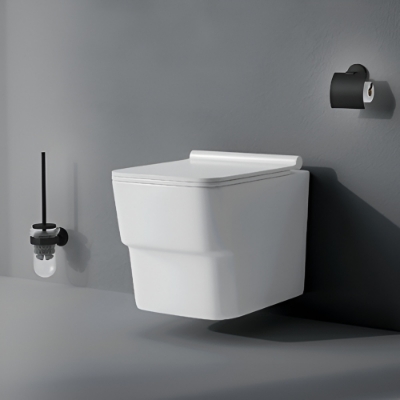
Sanitaryware accessories support the use and organisation of the toilet area. Depending on the bathroom layout, these may include toilet roll holders, toilet brush holders and other fittings designed for the surrounding sanitaryware.
The most useful arrangement keeps essential items within convenient reach without obstructing movement or making cleaning difficult.
For example, a toilet roll holder should be accessible from the seated position, while a toilet brush holder should be positioned where it can be reached easily but does not interfere with circulation.
Washroom Accessories for Shared Facilities
Commercial and shared washrooms often require accessories that support frequent use, straightforward maintenance and efficient operation.
Hand dryers, soap dispensers, paper towel dispensers and grab bars can serve different operational needs. The appropriate selection depends on expected traffic, user requirements, available services and the design of the facility.
Unlike a private bathroom, a public washroom may need standardised accessories across multiple cubicles or locations. Planning these requirements together can help simplify procurement and future maintenance.
Explore washroom accessories for solutions intended for residential and commercial washroom applications.
2. Select Accessories According to Your Bathroom's Daily Requirements
A practical bathroom begins with an understanding of how people use the space. Accessories should support real routines rather than simply fill empty walls or surfaces.
Identify the Essential Fittings First
Start by listing the items needed for everyday activities. A typical residential bathroom may require a towel rail or ring, soap dispenser, tumbler holder, toilet roll holder and suitable storage.
The list may change according to the layout. A bathroom with a separate shower enclosure may need additional bathing accessories, while a room with a large vanity may have enough storage to reduce the need for wall-mounted shelves.
Prioritise the fittings that solve a clear problem. Additional decorative or specialised accessories can be considered once the essential requirements are covered.
Consider the Number of Users
The number of people using a bathroom affects storage and accessory requirements. A shared family bathroom may benefit from multiple hooks, separate storage areas and easily accessible everyday essentials.
A guest bathroom generally needs a simpler arrangement, with the most frequently used items readily available. In a hotel or serviced apartment, standardised accessories can help maintain consistency across rooms while supporting housekeeping routines.
For commercial washrooms, expected traffic and maintenance frequency should influence the selection. A fitting suitable for occasional residential use may not necessarily be the most appropriate choice for a heavily used public facility.
Account for Future Changes
Bathroom accessories should remain practical as household or building requirements evolve. A flexible layout may make it easier to accommodate different users, replace fittings or update the interior without extensive alterations.
During renovations, consider whether existing mounting points can be reused and whether the selected fittings can be maintained or replaced independently.
Planning for future use can help avoid unnecessary modifications later.
3. Bathroom Accessories for Sri Lanka's Climate
Bathroom environments in Sri Lanka can experience high humidity, frequent moisture exposure and variations in ventilation between buildings. These conditions make material selection, installation quality and maintenance particularly important.
Consider Moisture Exposure
Not every accessory is exposed to the same conditions. A fitting installed beside a washbasin may encounter occasional splashes, while a component inside a shower area can experience much more frequent contact with water.
Choose products according to their intended installation environment and the manufacturer's guidance. Materials, coatings, construction and mounting details all contribute to suitability.
Avoid assuming that every metal fitting is equally resistant to corrosion or that every finish can tolerate the same cleaning products.
Support Effective Ventilation
Ventilation helps manage moisture within the bathroom. Where practical, ensure that the room has suitable ventilation through an appropriately designed window, extractor or other ventilation arrangement.
Accessories should be positioned so that they do not unnecessarily trap moisture against walls or prevent towels from drying effectively. For example, towel rails and hooks should provide enough room for items to hang rather than remain tightly folded or bunched together.
Good ventilation and suitable maintenance practices work together to help preserve the bathroom environment.
Choose Finishes with Maintenance in Mind
Watermarks, soap residue and fingerprints may be more noticeable on certain finishes than others. The degree of visibility depends on water quality, lighting, usage and the surface characteristics of the product.
When selecting accessories, consider how frequently the surface will need cleaning and whether the recommended cleaning method fits the available maintenance routine.
For busy family bathrooms, guest facilities and commercial properties, straightforward cleaning can be an important selection criterion.
4. Explore Materials and Surface Finishes
Material selection affects the appearance, installation requirements and maintenance of bathroom accessories. Product specifications should be reviewed before choosing a fitting for a particular environment.
Stainless Steel
Stainless steel is used in many bathroom and washroom products because of its material characteristics and suitability for a range of applications. However, performance depends on the particular grade, construction, finish and exposure conditions.
Check the manufacturer's specifications rather than assuming that all stainless steel products offer identical corrosion resistance.
For commercial facilities, also consider the expected frequency of cleaning and the compatibility of the selected material with the cleaning products used on site.
Brass and Other Metal Components
Brass is used in various bathroom fittings and accessories, often with a surface finish that coordinates with taps and other visible hardware.
The underlying material and the applied finish should be assessed separately. Different products may have different surface treatments, care instructions and suitability requirements.
Review the product documentation before using abrasive cleaners or polishing agents.
Glass and Other Decorative Materials
Glass may be used in selected shelves and accessory components to introduce a lighter visual appearance. Its suitability depends on the product design, mounting arrangement and intended load.
Before installation, verify the manufacturer's dimensions, load guidance and fixing requirements. A shelf should never be assumed to support heavy items unless the product is designed and installed for that purpose.
Coordinate Finishes Across the Bathroom
Chrome, black, brushed metallic finishes and selected decorative tones can create different design effects. A consistent finish strategy helps the bathroom feel coordinated without requiring every fitting to be identical.
For example, the accessories may match the basin tap, or they may introduce a controlled contrast that complements the tiles and vanity.
When selecting multiple products, review their actual specifications and available finish options. Similar names do not necessarily guarantee an identical colour or surface appearance across different product families.
5. Plan Accessories Around the Washbasin
The washbasin area is one of the most frequently used parts of the bathroom. It often accommodates handwashing, grooming and personal care, making organisation particularly important.
Keep Frequently Used Items Within Reach
Soap dispensers, tumbler holders and hand towel fittings should be positioned according to the basin's dimensions and the user's normal movements.
A towel ring placed close to the basin can reduce the need to move across the bathroom after washing hands. A dispenser should be accessible without interfering with the tap or taking up unnecessary countertop space.
Before installation, check the relationship between each accessory, the basin edge, the tap, the mirror and any storage cabinet.
Reduce Countertop Clutter
A crowded basin countertop can make cleaning difficult and reduce usable space. Where appropriate, wall-mounted accessories can help keep frequently used items organised without occupying the counter.
However, wall mounting should be selected only when the wall construction and installation conditions are suitable. In some bathrooms, countertop accessories may be more practical because drilling is not desirable or the layout is temporary.
Coordinate with the Basin and Tap
The shape and size of the basin influence the suitable position and scale of nearby accessories. A compact basin may require smaller fittings, while a wider vanity can accommodate a more extensive arrangement.
Consider the finish of the basin tap and other visible hardware before choosing the accessories. Coordinating these elements can create a consistent appearance without adding unnecessary decorative details.
Explore washbasins when planning the relationship between the basin, countertop and surrounding fittings.
6. Make Shower and Bathtub Areas More Practical
Bathing areas require careful attention to accessibility, storage, moisture exposure and movement. Accessories should improve convenience without interfering with the main shower or bathtub installation.
Keep Bathing Essentials Accessible
Shelves, soap dishes and suitable holders can keep frequently used products close to the bathing area. Their placement should minimise unnecessary reaching and avoid obstructing shower controls or entry points.
Before installing storage, consider how water drains from the surrounding surfaces and whether the location will be straightforward to clean.
Plan Towel Placement Before Installation
Towels should be easy to reach after bathing but positioned away from locations where they are likely to become repeatedly splashed.
A towel rail or hook near the bathing area may be convenient, provided it does not obstruct the entrance or reduce the usable space around the shower.
In smaller bathrooms, review the door swing, shower screen and available wall space before choosing the final position.
Select Accessories for the Actual Shower Configuration
Shower components vary according to the installation type. Wall-mounted systems, exposed shower arrangements and other configurations may require different supporting accessories.
Check compatibility, connection details, dimensions and mounting requirements before purchasing additional components. This is especially important when upgrading an existing bathroom, where the current plumbing and wall construction may limit the available options.
Consider Bathtub-Specific Requirements
Bathtub accessories should support the intended use of the tub and fit its design. Depending on the product, this may include selected storage, support or comfort-related components.
Check that an accessory is designed for the bathtub model or installation type in question. Do not assume that a fitting suitable for one tub will work with every other design.
7. Improve Accessibility and Ease of Use
Accessible bathroom design considers how people with different mobility levels, heights and physical requirements use the space. Accessory selection should support convenient reach, clear movement and appropriate stability.
Plan for Comfortable Reach
Frequently used fittings should be positioned so that the intended users can reach them without unnecessary stretching or bending.
This may influence the placement of towel holders, soap dispensers, shelves and robe hooks. In shared facilities, the design should account for the expected range of users and any applicable accessibility requirements.
The appropriate mounting height depends on the fitting, user needs and relevant project standards.
Understand the Role of Grab Bars
Grab bars can provide support when selected and installed for the intended application. They may be considered near toilets, showers or other locations where additional support is required.
A grab bar must be attached to a suitable supporting structure using an appropriate fixing system. A towel rail or decorative bar should never be treated as a substitute for a properly specified support fitting.
For accessible bathrooms, confirm the required positioning, dimensions, loading expectations and installation details with a qualified professional.
Keep Routes Clear
Accessories should not obstruct entrances, door swings, transfer areas or movement routes. This is particularly important in compact bathrooms and facilities designed for people with reduced mobility.
Review the complete layout before installation rather than evaluating each accessory separately. A fitting may appear well positioned on its own but still interfere with movement when combined with other fixtures.
8. Choose Accessories for Commercial and Hospitality Projects
Commercial bathrooms often experience greater use and more frequent cleaning than private residential spaces. Their accessory requirements should reflect the operational demands of the building.
Hotels and Serviced Apartments
Hotels need bathrooms that are convenient for guests and straightforward for housekeeping teams to maintain. Standardised accessories can help create a consistent appearance across guest rooms while simplifying replacement and procurement.
Guest rooms, suites, accessible rooms and public washrooms may require different configurations. The accessory schedule should therefore account for the specific function of each bathroom rather than applying one layout everywhere.
Product availability, finish consistency, cleaning requirements and installation details should be considered together.
Offices and Corporate Facilities
Office washrooms need accessible essentials, clear circulation and fittings that support regular use. Depending on the facility, this may include hand dryers, soap dispensers, paper towel dispensers and suitable support fittings.
The selected products should match expected traffic and maintenance capacity. For example, dispensers need to be accessible for refilling or servicing, while wall-mounted fittings should be positioned to allow cleaning around them.
Where several washrooms share a common design, standardising selected accessories can simplify maintenance planning.
Retail, Education and Public Buildings
Public facilities may serve a wide range of users and experience concentrated demand during busy periods. Accessory placement should support intuitive use while avoiding obstructions around entrances, basins and cubicles.
Educational environments may require additional consideration of user height and accessibility. Large commercial projects may also need a consistent specification for product references, finishes and mounting details.
Preparing an accessory schedule before procurement can help align architects, contractors, facility managers and purchasing teams.
Prepare a Project Accessory Schedule
For larger projects, record the accessory type, quantity, intended location, finish, mounting arrangement and product reference.
This schedule helps reduce the risk of ordering incompatible products or discovering installation conflicts after construction has progressed.
Retaining the schedule also makes future replacement easier because the relevant product details can be retrieved without reconstructing the original selection.
9. Create a Cohesive Bathroom Design
Bathroom accessories can reinforce an interior design theme through consistent shapes, finishes and proportions. Their role is to complement the major fixtures rather than compete with them.
Contemporary and Minimalist Bathrooms
Contemporary bathrooms often use clean lines, restrained detailing and a limited finish palette. Simple accessory forms can support this approach while maintaining practical functionality.
Wall-mounted fittings may help preserve clear surfaces, while carefully selected shelves and holders can provide storage without making the space feel crowded.
Classic and Transitional Bathrooms
Classic interiors may incorporate traditional shapes, decorative details and warmer metallic finishes. Transitional bathrooms combine traditional and contemporary elements, allowing accessories to bridge the two styles.
Consider the shape of the taps, mirror frame, cabinet hardware and lighting fixtures when selecting accessories. The objective is to create a visual relationship between these components rather than match every detail exactly.
Coordinate with Tiles and Cabinetry
Wall and floor finishes influence how accessories appear within the room. Dark fittings may create contrast against light tiles, while chrome or other reflective surfaces can complement a variety of palettes.
The finish should also be considered in relation to nearby cabinetry, handles, mirror frames and visible plumbing components.
If several finishes are used, establish a clear design hierarchy. One primary finish supported by a small number of complementary details can create a more cohesive result than introducing many competing tones.
Use Accessories as Subtle Design Features
A well-chosen accessory can add definition without requiring a major renovation. Coordinated holders, shelves and towel fittings may help a bathroom feel more complete even when the main fixtures remain unchanged.
Prioritise the overall balance of the room. Accessories should enhance the architecture and daily experience rather than create unnecessary visual clutter.
10. Install Bathroom Accessories Correctly
Correct installation supports stability, usability and long-term maintenance. The requirements vary according to the product, wall construction and intended application.
Check the Wall Structure
Tiles are a finished surface rather than a complete indication of the supporting structure behind them. Before drilling, determine the wall construction and check for concealed pipes, electrical wiring and other services.
Use fixing methods appropriate to the wall material and the product's requirements. Some accessories may need specific anchors or reinforced mounting points.
Where the wall construction is uncertain, consult a qualified installer before proceeding.
Confirm Dimensions and Spacing
Measure the intended location before purchasing or installing the fitting. Check the product dimensions against the available wall area, nearby fixtures and expected movement routes.
For multiple accessories on the same wall, ensure that the arrangement provides enough space for convenient use and cleaning.
Also consider the position of cabinet doors, drawers, mirrors, shower screens and bathroom entrances.
Follow Product-Specific Instructions
Different accessories may have different mounting requirements, fixings and installation procedures. Follow the instructions provided for the selected product rather than applying one method to every fitting.
For grab bars and other support-related products, installation must be suitable for the intended load and supporting structure.
If a fitting becomes loose after installation, address the issue rather than continuing to use it in a way that could create a risk.
Plan for Maintenance Access
Accessories should be installed where they can be cleaned, inspected and replaced conveniently. Difficult-to-reach locations may increase maintenance effort, especially in commercial facilities.
For concealed or integrated installations, retain the product references and relevant installation information so that future servicing can be managed more efficiently.
11. Maintain Bathroom Accessories for Lasting Appearance
Routine care helps maintain the appearance of accessories and makes it easier to identify loose components, surface damage or other maintenance needs.
Clean According to the Material
Use cleaning products and methods appropriate to the selected material and finish. A soft cloth may be suitable for many surfaces, but specific products can require different care.
Avoid assuming that all metal finishes tolerate the same chemicals or polishing methods. Abrasive pads and unsuitable cleaners may damage some surface treatments.
Follow the manufacturer's instructions, especially for decorative finishes, glass components and products with moving parts.
Remove Residue and Excess Moisture
Soap residue, mineral deposits and watermarks can accumulate with regular use. Cleaning frequency should reflect the level of use, local water conditions and the type of finish.
Where appropriate, wipe away excess moisture after cleaning and ensure that surrounding areas can dry properly.
Regular attention can help maintain a neat appearance without requiring aggressive cleaning methods.
Inspect Fixings and Moving Components
Check frequently used accessories for looseness, damage or changes in operation. Towel rails, shelves and other wall-mounted fittings should remain securely attached.
Dispensers and holders may also need periodic cleaning or adjustment according to their design.
If a support fitting shows movement or damage, arrange a suitable inspection promptly. Do not rely on an insecure fitting for support.
Keep Records for Larger Properties
Hotels, offices and other commercial buildings can benefit from a maintenance record that identifies product types, locations and inspection dates.
Keeping these details together helps maintenance teams plan cleaning, identify recurring problems and order suitable replacement components.
For residential projects, retaining the product references and care instructions can make future repairs or upgrades easier.
12. Consider Long-Term Value When Selecting Accessories
The initial purchase price is only one part of the selection process. Suitability, maintenance requirements, installation complexity and the ability to obtain compatible replacements also matter.
Review Product Specifications
Check dimensions, materials, finishes, mounting requirements and intended applications before choosing a product.
For specialised accessories, confirm any relevant performance information and installation requirements. For commercial projects, also review the expected frequency of use and the maintenance arrangements available.
A product should be selected according to its actual specifications rather than broad assumptions about an entire category.
Balance Appearance with Practicality
A visually distinctive fitting may work well as part of the overall design, but it should still perform its intended function and remain practical to clean.
For frequently used areas, ease of maintenance and suitability for the environment may be more important than decorative complexity.
The best selection balances the intended appearance with everyday convenience.
Plan for Replacement and Expansion
For projects involving several bathrooms, standardising selected accessories can simplify procurement and future replacement. However, the specification should allow different configurations where room layouts or accessibility requirements differ.
Retain product names, references, finish details and installation records. These can help ensure that replacement fittings are compatible with the original arrangement.
13. Bathroom Accessories Selection Checklist
Before finalising the selection, review the following considerations:
- Purpose: Identify the everyday activity supported by each accessory.
- Room layout: Consider the location of the basin, toilet, shower, bathtub and storage areas.
- User requirements: Account for the number of users, accessibility needs and expected frequency of use.
- Available space: Check dimensions, wall space and clearances around doors and fixtures.
- Materials: Review product specifications and suitability for moisture exposure.
- Finishes: Coordinate accessories with taps, shower fittings, cabinetry and other visible hardware.
- Installation: Confirm wall construction, fixing requirements and concealed services.
- Maintenance: Check recommended cleaning methods and inspection requirements.
- Commercial use: Consider traffic levels, servicing access and standardisation across locations.
- Future replacement: Retain product references and installation details.
- Overall design: Ensure the selected fittings complement the room without creating unnecessary clutter.
Complete Your Bathroom with Jaquar Accessories
A well-planned bathroom is built from a combination of primary fixtures and carefully selected supporting details. Accessories improve organisation, make daily routines more convenient and help establish a consistent design across the room.
Jaquar's bathroom accessory categories include bath accessories, shower accessories, sanitaryware accessories and washroom solutions for different residential and commercial applications. Selecting the right components requires attention to the layout, intended use, materials, finishes and installation conditions.
For a residential bathroom, the priority may be convenient storage, accessible towel fittings and a coordinated appearance. In a hotel or commercial facility, durability, maintenance access, product consistency and efficient procurement may also be important.
By evaluating these requirements together, homeowners, architects and project teams can create bathroom environments that are practical, organised and visually cohesive. The result is a bathroom in which every accessory has a purpose and contributes to the overall experience of the space.
FAQs:
- Bathroom size: Pick space-saving accessories for compact layouts.
- Design theme: Match accessories with overall décor style.
- Essential needs: Prioritise items like towel holders, shelves, and soap dispensers.
- Material quality: Choose stainless steel, brass, or tempered glass for durability.
- Ease of maintenance: Opt for finishes that resist stains and rust.
- Budget: Select accessories that balance style, durability, and affordability.
- High-quality towel rails, soap dispensers, and shelves made from stainless steel, brass, or tempered glass are durable and stylish.
- Mirrors with anti-fog features, storage cabinets, and shower caddies add practicality.
The best bathroom accessories combine function with design. Accessories that coordinate with your fittings and décor enhance both usability and appearance, transforming the bathroom into a functional yet elegant space.
- Brand showrooms: For premium, coordinated collections.
- Home improvement stores: Wide range at different price points.
- Online retailers: Convenient, with diverse designs and finishes.
- Specialty stores: Offer designer and customised accessories.
- Authorised dealers: Ensure quality and warranty-backed products.
- Must-have items include towel bars or hooks, soap dispensers, toothbrush holders, shelves, and mirrors.
- Shower caddies and storage units help keep products neatly arranged, while mats improve safety.
Every bathroom benefits from essentials that add both utility and organisation.
These accessories not only make daily routines easier but also add to the bathroom’s overall comfort and style, ensuring the space feels complete and practical.
- Stainless steel: Durable, rust-resistant, and low maintenance.
- Brass: Strong, reliable, with premium finishes.
- Tempered glass: Elegant and safe for shelves.
- Chrome or PVD finishes: Protect surfaces from scratches and tarnish.
- Matte finishes: Offer a modern, stylish appearance.
- Compatibility: Match finishes with faucets and fixtures for harmony.
- Glass shelves and sleek storage units.
- Matte black or brushed gold fittings for a modern upgrade.
- Coordinated soap dispensers and holders for a polished look.
- Elegant lighting fixtures to highlight the space.